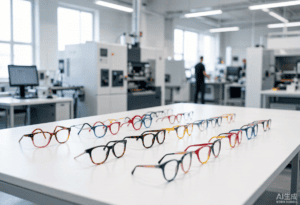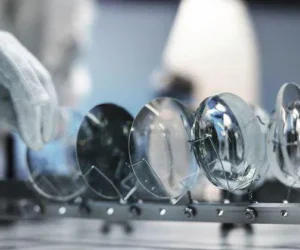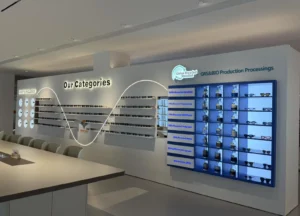





Walk through any international optical fair in 2026 and one material keeps appearing in the premium halls: titanium. What was once a specialist material for a handful of Japanese and German brands has become a growth segment for optical chains and fashion labels worldwide. For wholesale buyers planning premium lines, titanium deserves a closer look — both for what it offers consumers and for what it demands from a manufacturing partner.
For buyers evaluating eyewear manufacturers on metal frame capability, titanium production is a meaningful signal: the material tolerates no shortcuts in welding, plating, or finishing.
What Makes Titanium Different
Titanium occupies a unique position among eyewear materials. It weighs roughly half of conventional stainless steel, which consumers notice immediately on wearing. It is corrosion-resistant and hypoallergenic — valuable for the growing segment of customers sensitive to nickel. And it combines strength with flexibility, allowing slim, elegant temple designs that would be fragile in other metals.
The premium story is therefore not marketing: the material genuinely delivers lightness, comfort, and skin-friendliness. What has changed is availability. As more factories invested in titanium welding and finishing capability over recent years, the price premium narrowed enough for mid-premium collections to adopt it.
The Manufacturing Demands Behind the Material
Titanium is less forgiving to produce than standard alloys, and buyers should understand why this matters for quality:
- Welding: Titanium requires argon-shielded welding to prevent oxidation at the joints. Poor welds show as dark discoloration and become long-term breakage points.
- Plating and finishing: Titanium’s surface chemistry makes conventional plating harder to adhere to; quality factories use ion plating (IP) processes that deliver durable, premium finishes including gold and gunmetal tones.
- Machining precision: Slim titanium temple profiles depend on accurate CNC forming and careful tumbling — the difference between a frame that feels expensive and one that feels thin.
- Soldering repairs: A benefit that reaches the end customer: titanium frames are repairable by soldering, extending product life and supporting durability positioning.
These process requirements explain part of the price difference at retail — and why buyers should probe a supplier’s specific titanium experience rather than assume all metal frame makers produce titanium equally well.
Titanium in a Collection Strategy
For most brands, titanium works best as a defined premium tier rather than a whole collection:
- Beta-titanium temples on acetate fronts combine the color richness of acetate with lightweight flexibility — a popular hybrid in premium optical lines.
- Full titanium optical frames serve the lightweight-and-hypoallergenic segment, particularly successful in Asian markets and among customers with sensitive skin.
- Titanium sunglasses position at the top of sun collections, where weight reduction is felt most on larger lens formats.
Because titanium frames typically carry higher unit costs and tooling considerations than standard metal frames, planning the order structure matters. Our eyewear MOQ guide breaks down how material choices affect minimums and price tiers.
Compliance and QC Points Specific to Titanium
Titanium’s hypoallergenic reputation must still be verified like any other claim. For EU-bound frames, nickel-release requirements under EN ISO 12870 apply to any nickel-containing components — hinges and screws in particular. Buyers should confirm that the factory tests for nickel release and maintains plating thickness standards, alongside the usual battery of optical frame tests: hinge durability, coating adhesion, and dimensional stability. Our certifications guide covers the document checklist for each market.
The Outlook
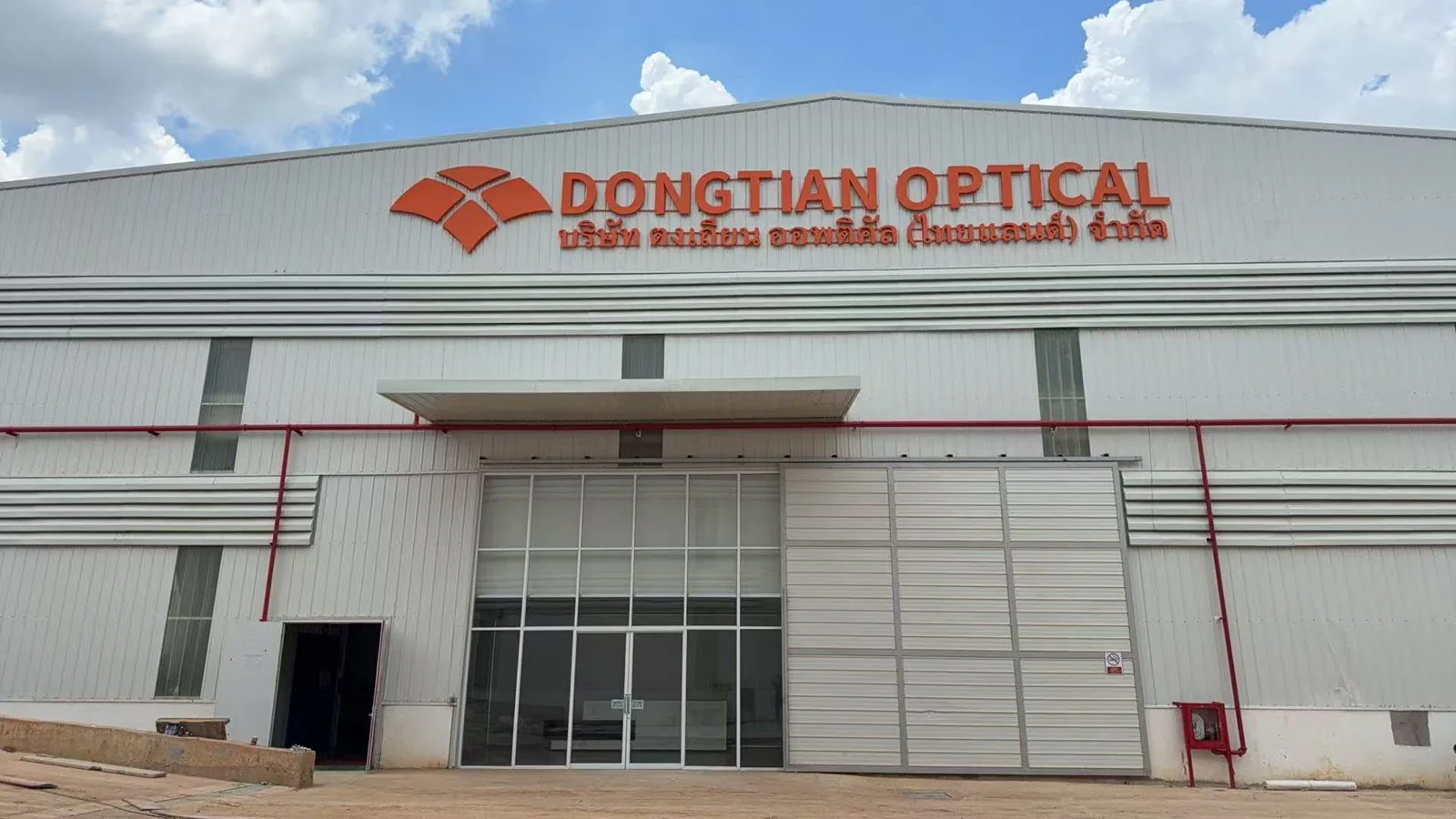
Titanium’s move into mainstream premium collections looks durable rather than cyclical — the material’s benefits align exactly with what premium customers pay for: lightness, comfort, skin-friendliness, and longevity. Dongtian Eyewear, a Wenzhou manufacturer founded in 1996 operating dedicated metal production lines alongside acetate, TR90, and in-house lens workshops for brands in 50+ countries, produces titanium and premium metal frames under ISO 9001-certified quality systems with OEM and ODM orders from 300 pieces. As the premium segment grows, the advantage will sit with factories that have spent years — not months — refining titanium welding and finishing craft.