





Sports eyewear is one of the most technically demanding categories in the eyewear trade. Unlike fashion sunglasses, where style carries most of the purchase decision, cycling and sports glasses are judged by performance: they must stay in place at speed, protect against wind and debris, resist impact, and remain comfortable for hours. For wholesale buyers building sports lines, supplier selection follows a different checklist than for fashion collections.
For companies comparing sunglasses manufacturers for sports programs, the differences between factories show up fastest in this category — in lens quality, frame materials, and the ability to test both.
Why Sports Eyewear Demands More from a Factory
A cycling glass lives a harder life than a fashion frame. It is exposed to sweat, UV, vibration, and frequent impact; it is dropped, sat on, and stuffed into jersey pockets. Wrap-around designs create curved-lens optical challenges. And the consequences of failure are higher: a hinge that snaps during a ride is a safety issue, not just a warranty claim.
This is why serious sports programs start with supplier capability rather than catalog browsing. The questions worth asking any prospective supplier:
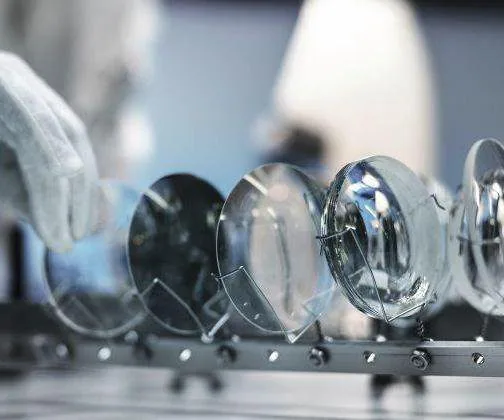
- Does the factory make its own lenses? Impact resistance, optical clarity on curved wrap-around shapes, and coating durability are all lens-level properties. A factory with an in-house lens workshop controls these directly.
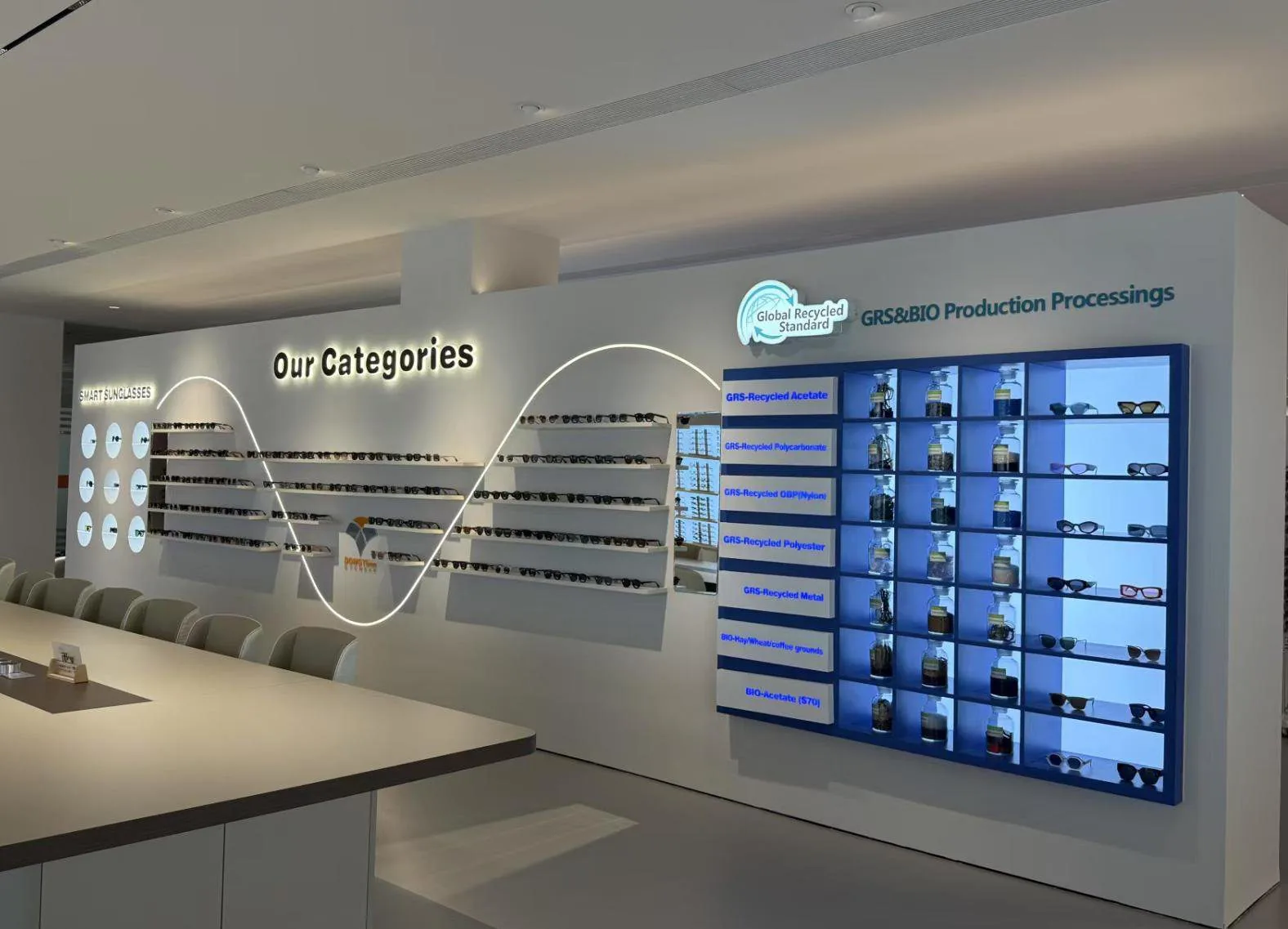
- What frame materials does it run in-house? TR90 and PC injection are the workhorses of sports eyewear — flexibility, impact resistance, and low weight come from material quality and mold condition.
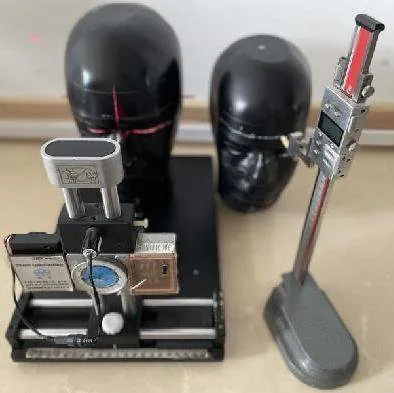
- Does it operate physical testing? Drop ball impact tests, lens retention, hinge cycle testing, and sweat-resistance checks should be performed on site, not outsourced after problems appear.
- Can it support certification for destination markets? Sports sunglasses for the EU require CE conformity; US-bound goods require FDA impact-resistance compliance. A supplier familiar with sports eyewear will have these test routes established.
The Materials That Define the Category
Two materials dominate sports frame construction, and buyers benefit from understanding both:
TR90 — a thermoplastic nylon known for exceptional flexibility, low weight, and resistance to stress cracking. It returns to shape after bending, which is exactly what a frame experiences during sports use. Quality differences between TR90 suppliers are significant: material grade and mold condition determine whether the frame keeps its flex properties after months of sweat and sun exposure.
PC (polycarbonate) — used both in frames and, most critically, in lenses. PC lenses offer high impact resistance at low weight, which is why they are the standard for sports and safety applications. Coating quality on PC lenses — hard coating, anti-scratch, and anti-fog treatments — varies widely between lens suppliers and is a common source of quality complaints.
A manufacturer running both materials with in-house tooling can adjust designs for different sports segments — road cycling, mountain biking, running, general training — without sending molds or lenses to third parties, which shortens development and stabilizes quality across a range.
Design Features That Separate Good Sports Glasses from Generic Ones
Buyers reviewing samples should look for the details that matter in use:
- Lens coverage and wrap: Adequate peripheral coverage and wind protection without excessive optical distortion at the wrap angle.
- Grip systems: Rubberized nose pads and temple tips that hold under sweat — and are replaceable.
- Ventilation: Managed airflow to limit fogging during effort, without letting debris through.
- Interchangeable lens systems (for higher tiers): Clear, low-light, and tinted lens options that swap securely — a feature that multiplies the product’s usefulness and retail price point.
- Weight and balance: The frame should disappear on the face; anything over roughly 30 grams feels heavy after an hour of riding.
Building the Program with the Right Partner
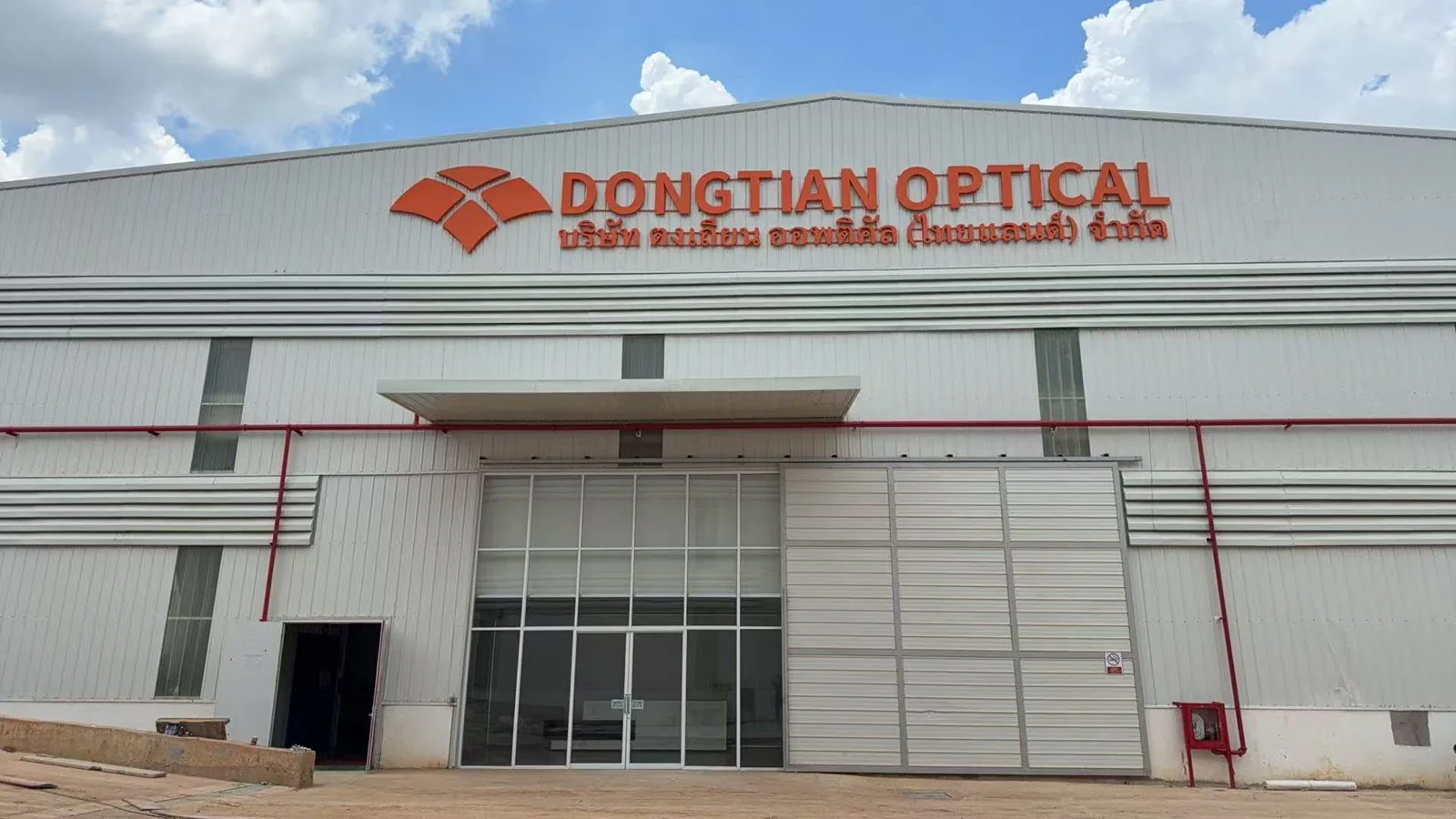
Sports eyewear rewards suppliers with vertical capability: frame molding, lens production, coating, and testing under one management system. Dongtian Eyewear, a Wenzhou manufacturer founded in 1996 with dedicated PC and TR90 production lines plus an in-house lens workshop producing over six million lenses monthly, manufactures road cycling and MTB sports eyewear for brands across 50+ countries, with CE and FDA compliance support and OEM/ODM orders from 300 pieces. For wholesale buyers, the practical advice is simple: in sports eyewear, choose the factory the way an athlete chooses equipment — by performance under stress, not by how it looks on the hanger.