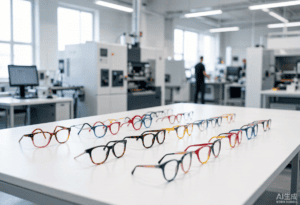




A few years ago, blue light glasses were a seasonal add-on — a small fixture near the checkout, sold mostly to office workers at the start of the year. Today, the category has matured into a year-round wholesale line with distinct segments, repeat-purchase behavior, and its own quality standards. For optical retailers, distributors, and fashion brands building collections, understanding how this category developed helps in planning products that sell steadily rather than in spikes.
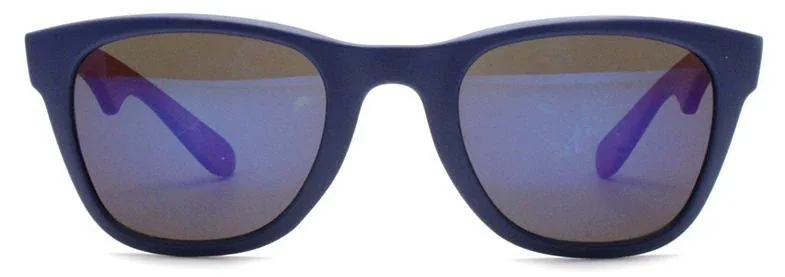
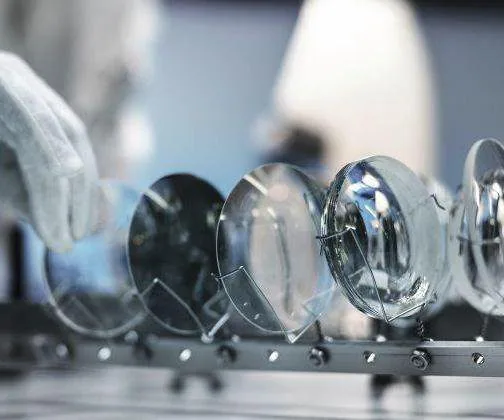
For buyers comparing optical frames manufacturers for blue light programs, the key differentiator is whether the factory controls lens production in-house — because lens quality, not frame style, is where this category is won or lost.
What Changed in the Market
Three shifts turned blue light glasses into a core catalog category. Screen time became universal across ages — remote work, online education, and mobile entertainment created demand far beyond the original office-worker niche. Product awareness grew as consumers learned to distinguish tinted blue-blocker lenses from clear lenses with blue-light-filtering coatings, driving demand for better (and better-explained) products. And fashion caught up: blue light frames are now designed as everyday eyewear first, with the filtering function as a quiet baseline feature.
The result is a category that no longer depends on “back to office” seasonality. Kids’ segments, gaming segments, and premium optical segments each carry their own frame styles, lens specifications, and price points.
Understanding the Product Tiers
Wholesale buyers generally encounter three tiers of blue light products:
- Clear lenses with filter coating: The mainstream tier. A base lens with a blue-light-filtering coating that keeps the lens visually clear. Quality depends heavily on coating consistency and verified filtering performance — the difference between a good and poor supplier is rarely visible on the shelf, which makes supplier selection critical.
- Lightly tinted lenses: Slight yellow or amber base tint with stronger filtering. Popular in gaming and heavy-screen-use segments where the trade-off of color shift is acceptable.
- Specialty kids’ designs: Flexible frame materials with clear coated lenses, sized and hinged for children. This segment rewards suppliers who understand both flexible materials and child-safety requirements.
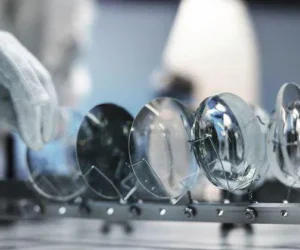
Each tier has different QC priorities, and a supplier with an in-house lens workshop can control coating quality and transmittance testing directly rather than outsourcing the most important component of the product.
What Buyers Should Verify with Suppliers
Because the value of a blue light product is invisible, documentation matters:
- Transmittance test reports: Ask for lens spectral transmittance data showing the filtering range, not just a “blocks blue light” claim on the spec sheet.
- Baseline lens compliance: For US-bound goods, lenses must satisfy FDA impact-resistance requirements; for EU-bound goods, the relevant EN standards apply. These apply to blue light lenses exactly as they do to sunglasses.
- Coating durability: Abrasion and adhesion checks on the filter coating, since coated clear lenses live harder lives than tinted ones.
- Frame-level QC: Standard optical frame checks — hinge cycles, dimension, plating — remain the base of the program.
Our guide to eyewear certifications explains which documents to request for each destination market, and why test reports matter more than logos.
Planning a Wholesale Collection That Sells Year-Round
The strongest blue light assortments treat the category as a range, not a SKU:
- Anchor styles in proven shapes — rectangular and square unisex frames in classic colors — carry the volume and repeat orders.
- Segment designs for kids and gaming extend the range without fragmenting the brand.
- Consistent lens story across the range simplifies retail communication: one filtering specification, explained the same way, in every product.
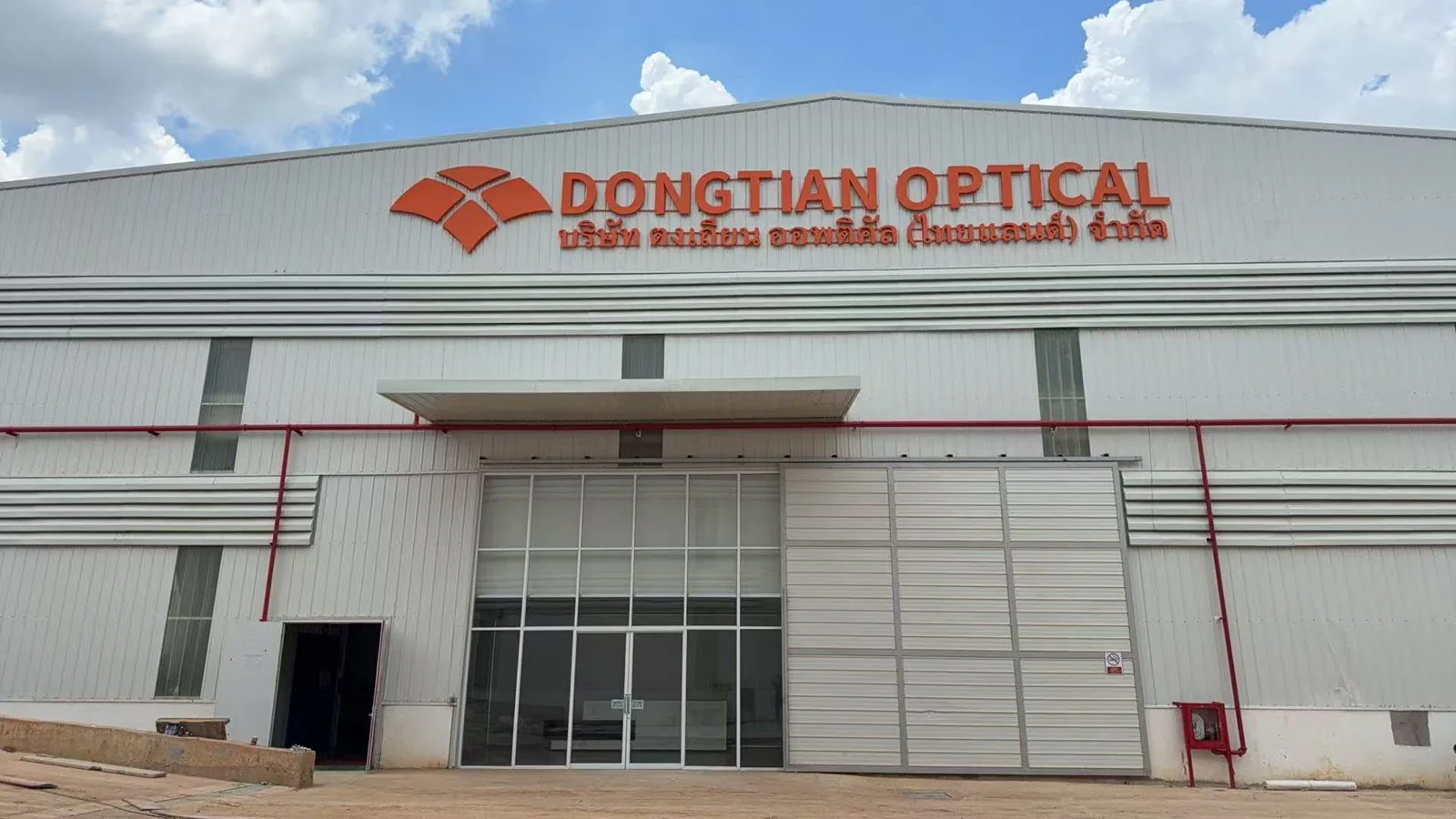
On the supply side, factories with in-house lens production — for example, manufacturers operating their own lens workshops with monthly capacity in the millions of pieces — can offer shorter development cycles and more stable coating quality across a collection, because the lens and frame programs are managed under one roof.
The Outlook for the Category
Blue light eyewear has settled into the mainstream of the optical market. The brands that will hold shelf space are those pairing fashionable frames with verified lens performance and consistent supply. Dongtian Eyewear, a Wenzhou manufacturer founded in 1996 with an in-house lens workshop producing over six million lenses monthly, supports blue light and optical lens programs for brands in 50+ countries — with OEM and ODM customization from 300 pieces and ready-stock options from 100 pieces. As the category matures, the competitive edge is shifting from who sells blue light glasses to who can prove what their blue light lenses actually do.