




In sun eyewear retail, two frames of similar design and material quality can sit at very different price points — and both can sell. The difference is usually in the lenses. As lens technologies have matured and become more accessible through vertically capable manufacturers, they have become the most reliable lever for expanding retail margins in the sunglasses category. For wholesale buyers, understanding the current lens landscape is a direct commercial skill.
For buyers comparing sunglasses manufacturers, lens capability is the question that separates suppliers who assemble frames from suppliers who make complete eyewear.
The Lens Options Moving the Market
Several lens technologies now span the mainstream-to-premium range:
- Polarized lenses: Once a premium exclusive, polarized lenses have moved steadily down the price curve while retaining their consumer story — glare reduction for driving, water sports, and outdoor use. They remain the single most requested “feature upgrade” in sun collections and justify meaningful retail uplift over standard tinted lenses.
- Category-rated tints with UV documentation: Solid and gradient tints in fashion colors, specified by transmittance category under EN ISO 12312-1. The margin lever here is fashion: seasonal tint colors let brands refresh core frame styles without new tooling.
- Mirror and flash coatings: High-impact visual features popular in sports and youth segments. Coating quality varies widely between suppliers — a poor mirror coat scratches and flakes, which is why coating process control matters more than the coating itself.
- Photochromic lenses: Adaptive lenses that darken in sunlight, bridging optical and sun categories. Historically expensive, increasingly available at accessible price points through volume production.
- Specialty performance lenses: Anti-fog treatments, enhanced contrast tints for specific sports, and hydrophobic coatings that carry premium positioning in technical categories.
Why In-House Lens Production Changes the Economics
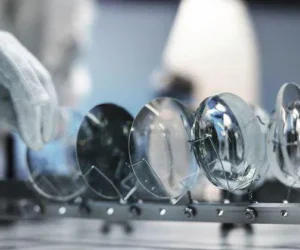
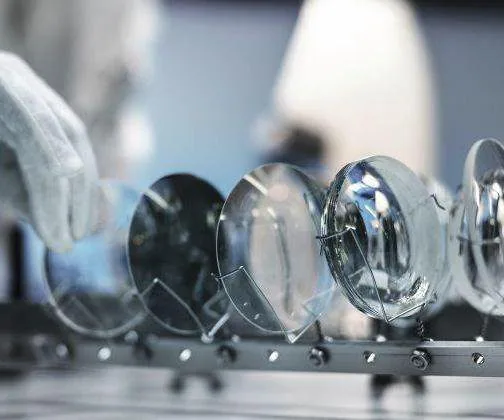
The margin mathematics of lens upgrades depend heavily on the supply chain behind them. When a factory sources lenses externally, every upgrade passes through an additional vendor margin, a longer lead time, and a quality handoff. When the manufacturer operates its own lens workshop — coating lines, tinting, transmittance testing — three things change:
- Upgrade costs compress, so the retail price uplift flows more directly into brand margin.
- Development speeds up: new tint colors and coatings can be sampled alongside frame prototypes rather than ordered in a separate cycle.
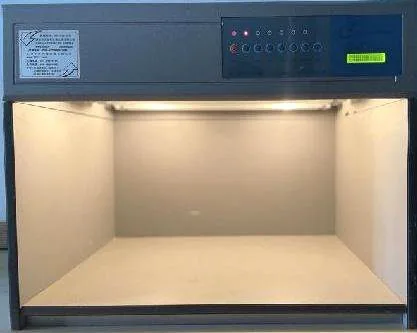
- Quality is verifiable at the source: transmittance and impact testing happen in the same building as production, with documentation available for each batch — the buyer’s assurance layer for UV and FDA compliance claims.
Volume matters here too. Lens workshops running at scale — measured in millions of pieces monthly — stabilize both pricing and consistency across a collection, which smaller operations struggle to match.
Translating Lens Tiers into a Retail Architecture
Buyers can structure collections so lens options create a deliberate price ladder:
- Entry tier: Category-rated fashion tints with full UV protection documentation — the volume driver.
- Mid tier: Polarized options on proven frame styles — the margin builder that customers actively ask for.
- Premium tier: Mirror coatings, photochromic options, or sports-specific treatments — the assortment’s statement pieces.
This architecture also simplifies retail communication: one frame story, three lens stories, clearly priced.
Compliance runs through every tier. US-bound lenses must meet FDA impact-resistance requirements, and EU-bound sunglasses require EN ISO 12312-1 conformity — our certifications guide details the documents to request for each market.
The Outlook
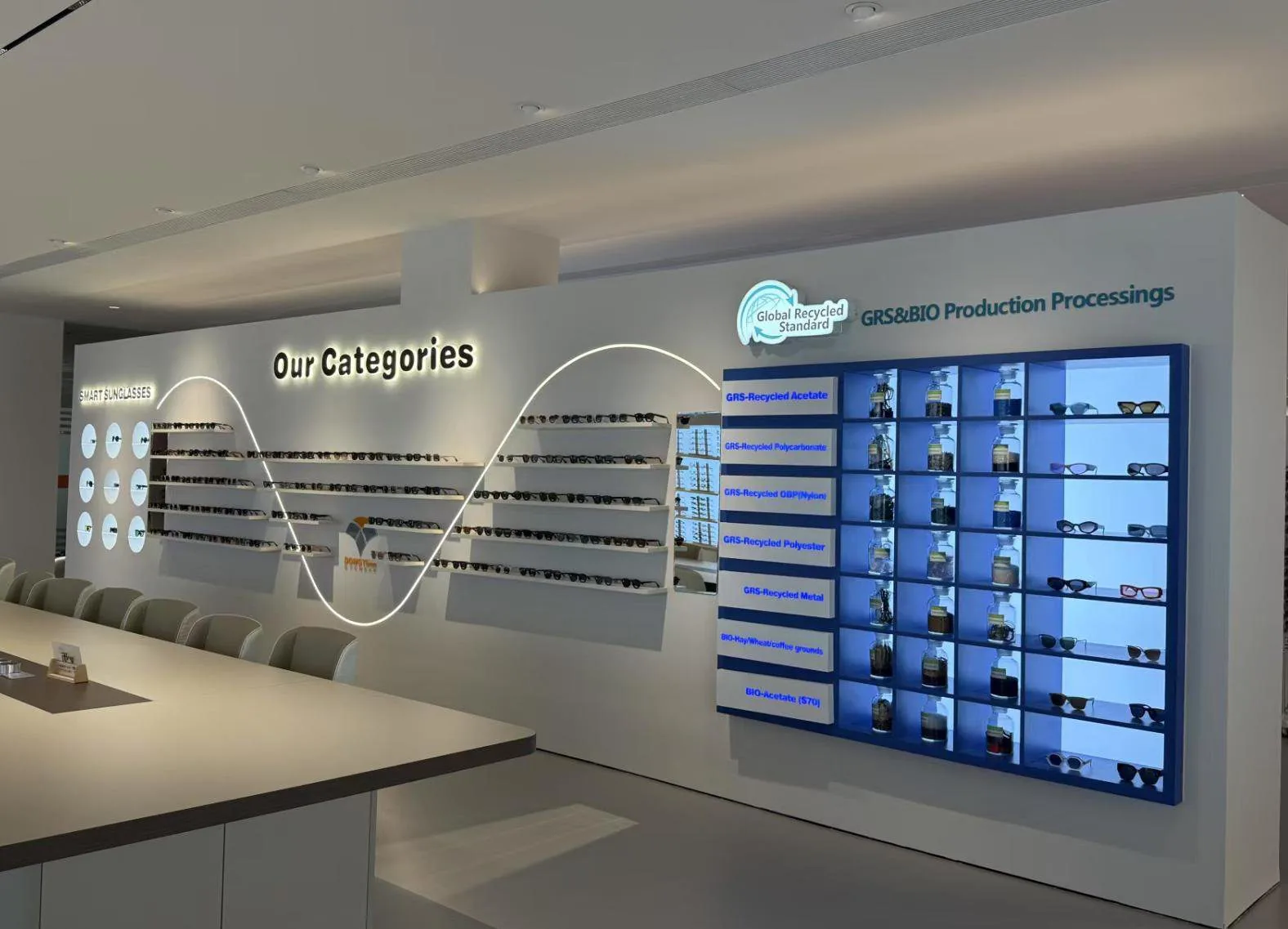
Lens technology has become the quiet engine of sun eyewear profitability: frames establish the brand, but lenses justify the price. Dongtian Eyewear, a Wenzhou manufacturer founded in 1996 with an in-house lens workshop producing over six million lenses monthly — tinting, coating, and transmittance testing under one roof — supplies sunglass programs for brands across 50+ countries with OEM and ODM orders from 300 pieces. For wholesale buyers planning 2026 collections, the practical advice is to evaluate suppliers by their lens capability first: it is where margin, quality, and compliance intersect.