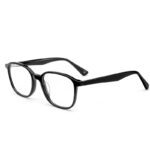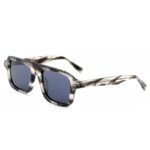











Sustainability has moved from a marketing footnote to a purchasing requirement in the eyewear industry. Retailers and fashion brands increasingly ask their suppliers not only whether frames look good and perform well, but where the material comes from and how it can be verified. Recycled acetate sits at the center of this shift. For wholesale buyers, understanding what recycled acetate actually is — and how factories certify it — has become a practical sourcing skill.
For companies comparing eyewear manufacturers on sustainability credentials, recycled acetate programs are one of the clearest indicators of whether a factory’s green claims are backed by systems or by slogans.
What Recycled Acetate Actually Is
Acetate is a plant-based material derived from cellulose, primarily wood pulp from managed forests. It has long been valued in eyewear for its rich color depth, comfortable weight, and skin-friendly feel. Recycled acetate takes the same material family and introduces verified recycled content — typically pre-consumer production waste such as off-cuts and sheet remnants from frame manufacturing.
The important word is verified. Recycled content without documentation is just a claim. The Global Recycled Standard (GRS) provides third-party chain-of-custody verification from material source through production to the finished frame, which is why GRS certification has become the reference point for brands making recycled-content claims in the EU and US markets.
Why Retailers Are Asking for It Now
Three forces are converging. First, green-claims regulations in Europe and the United States have raised the legal bar for sustainability marketing — brands need substantiated documentation, not adjectives. Second, consumer preference data consistently shows willingness to pay premiums for verifiable sustainable products in fashion accessories. Third, retail chains with ESG programs are adding supplier environmental criteria to their vendor onboarding requirements.
The combined effect is straightforward: buyers who once asked only for CE and FDA paperwork now request GRS certificates and, increasingly, transaction certificates for each recycled-material shipment.
How Manufacturers Implement a Recycled Acetate Program
A credible recycled acetate program touches several parts of factory operations:
- Material sourcing: GRS-certified acetate suppliers provide sheet material with documented recycled content percentages.
- Chain-of-custody management: The factory must keep certified material physically and administratively separate from conventional stock, with transaction certificates issued for each batch used in customer orders.
- Production controls: Waste reduction, regrinding practices, and chemical management are audited as part of environmental standards such as HIGG FEM.
- Documentation for buyers: Each certified order can be traced back through its transaction certificates — this is what protects the brand’s marketing claims.
Manufacturers holding GRS certification alongside ISO 9001, BSCI, and SEDEX can offer brands a complete compliance package: recycled content verification plus social and quality audits in one supplier.
What Buyers Should Confirm Before Ordering
Recycled acetate performs comparably to conventional acetate in polishing, coloration, and durability — but a few verification steps keep orders safe:
- Ask for the GRS scope certificate and check that the factory’s address is covered, not only a group company.
- Request transaction certificates for the specific production batch.
- Confirm color availability — certified sheet ranges are more limited than conventional color libraries, so plan colorways around available certified stock.
- Test the samples as usual: recycled content does not change the need for standard acetate QC — dimension, polish quality, hinge fit, and coating checks all apply.
For buyers planning the order structure, our guide to eyewear MOQ basics explains how material minimums interact with order quantities — useful context, since certified sheet ranges can carry their own supplier minimums.
The Commercial Outlook
Recycled acetate collections have moved from niche eco-lines to mainstream catalog positions. The brands gaining shelf space are those that treat sustainability as a supply chain capability — verified materials, certified factories, transparent documentation — rather than a label on the packaging.
Dongtian Eyewear, a Wenzhou-based manufacturer founded in 1996 with facilities in both China and Thailand, holds GRS certification alongside ISO 9001, CE, FDA, BSCI, SEDEX, and HIGG, supporting OEM and ODM orders from 300 pieces with FOB, EXW, and DAP terms. As recycled acetate programs mature, we expect verified-material eyewear to become a standard expectation across the optical market — and the factories investing in certification today are the ones positioned to supply it tomorrow.