






Lead time has quietly become one of the most competitive dimensions of eyewear sourcing. Tariffs grab the headlines, but delivery reliability is what determines whether a seasonal collection arrives in time to sell — and in 2026, with trade policy shifting mid-year and freight patterns normalizing after several turbulent years, lead time planning deserves the same rigor as landed-cost calculations.
For buyers working with eyewear manufacturers, understanding how lead times are actually built — stage by stage — is the foundation for realistic planning and honest supplier conversations.
The Anatomy of an Eyewear Lead Time
A typical custom production order of 75-90 days breaks down into stages that buyers should recognize:
- Material preparation (2-4 weeks): Acetate sheets, metal wire, hinges, and lenses are sourced — fast when materials are standard and local, slower when custom colors or special components are involved.
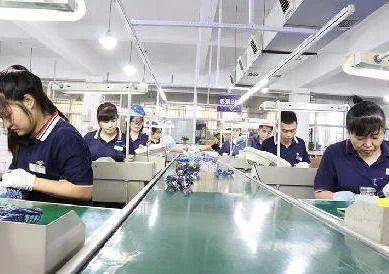
- Production (3-5 weeks): Cutting, forming, polishing, assembly, and lens fitting, varying by material and design complexity.
- QC and packing (about 1 week): Final AQL inspection, functional checks, and export packing.
- Freight (varies): Sea freight to major markets typically adds 25-40 days door-to-door depending on destination; air freight compresses this at a cost multiplier.
The planning insight: freight time is predictable, but material preparation is where surprises live. Custom acetate colors, special hinge finishes, or particular lens tints each add supplier lead times that stack at the front of the schedule.
What Changed in 2026
Three current dynamics affect delivery planning:
- Trade policy volatility: US tariff structures changed twice within twelve months, with country-tiered Section 301 duties replacing earlier regimes in July. Policy shifts affect more than cost — they can change origin decisions mid-season, and a factory with flexible multi-country production absorbs that far more easily than a single-site one.
- Freight normalization: Freight indices have returned near pre-disruption levels after the volatility of previous years. Capacity is available; the shipping variable is now cost and schedule predictability rather than container scarcity.
- Order pattern shifts: Brands are ordering in smaller, more frequent tranches to hedge policy and demand risk. This rewards suppliers with stock programs and flexible MOQ structures — and punishes those built only for large seasonal runs.
Practical Lead Time Strategies for Buyers
Experienced importers manage lead time as a designed system rather than an estimate:
- Split the calendar: Order core, reorderable styles early with standard lead times, and reserve faster channels — ready stock, air freight — for trend-responsive styles. Our MOQ guide covers how ready-stock programs (typically 100 pieces, 10-15 day dispatch) bridge the gap.
- Lock materials early: Approve colors, coatings, and components at sampling stage, not after production starts. Material confirmation is the schedule’s first milestone.
- Build policy buffers: Where US tariff exposure is a concern, dual-origin production — for example, allocating US-bound volume to a Thailand plant while EU-bound volume runs in China — lets orders proceed without re-sourcing when rules change.
- Verify factory capacity honestly: A factory running 1,000+ staff across multiple production lines can absorb schedule pressure; a small workshop cannot. Capacity verification belongs in supplier vetting, and our factory audit guide covers the questions to ask.
Communication: The Underrated Lead Time Tool
Most missed deadlines trace back to slow decisions, not slow factories. Sample approvals that take three weeks, artwork revisions arriving mid-production, and late packaging decisions push schedules as surely as any supply disruption. Buyers who consolidate decisions at defined checkpoints — and work with suppliers who flag problems early rather than at delivery — systematically outperform on timing.
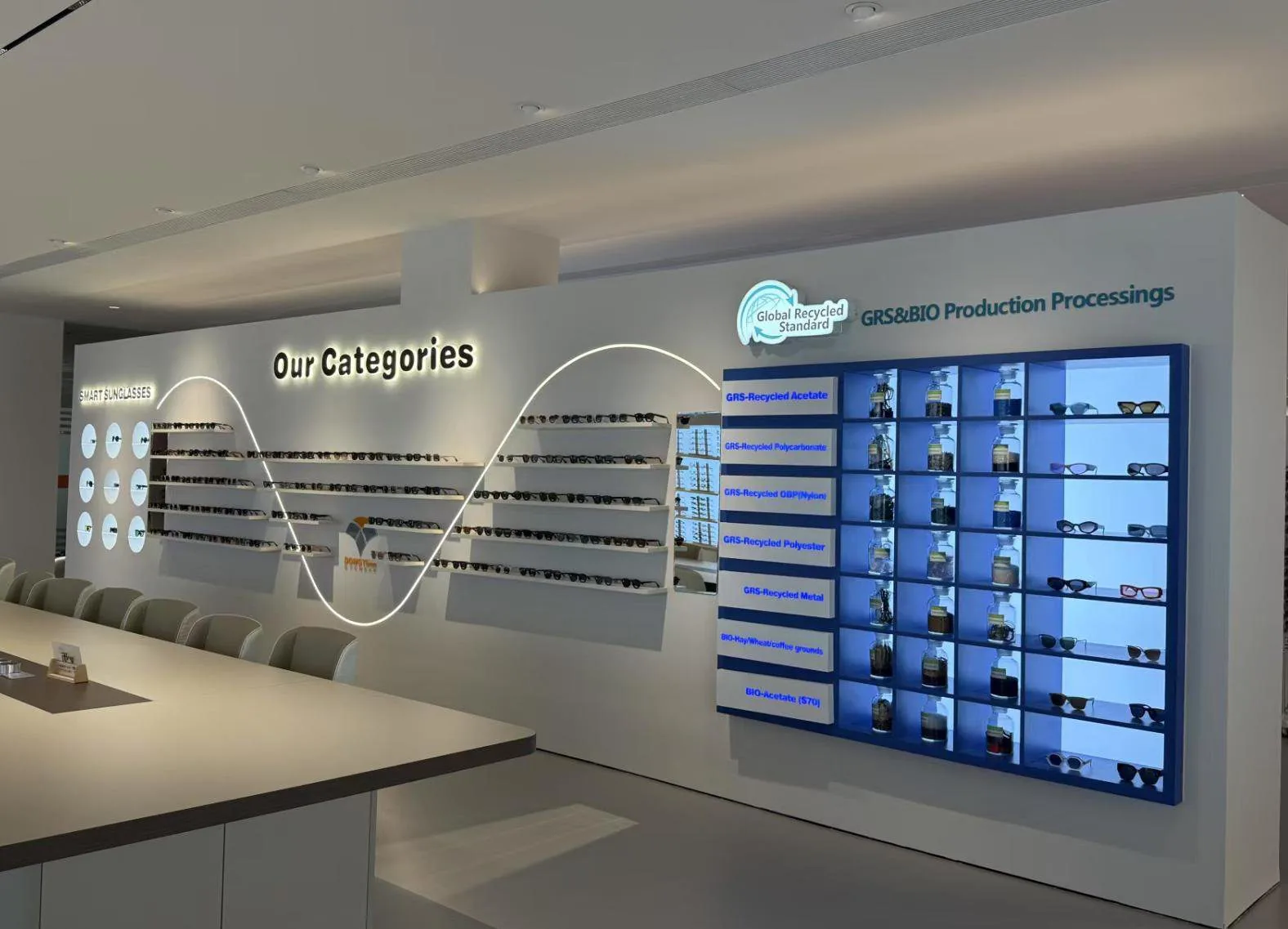
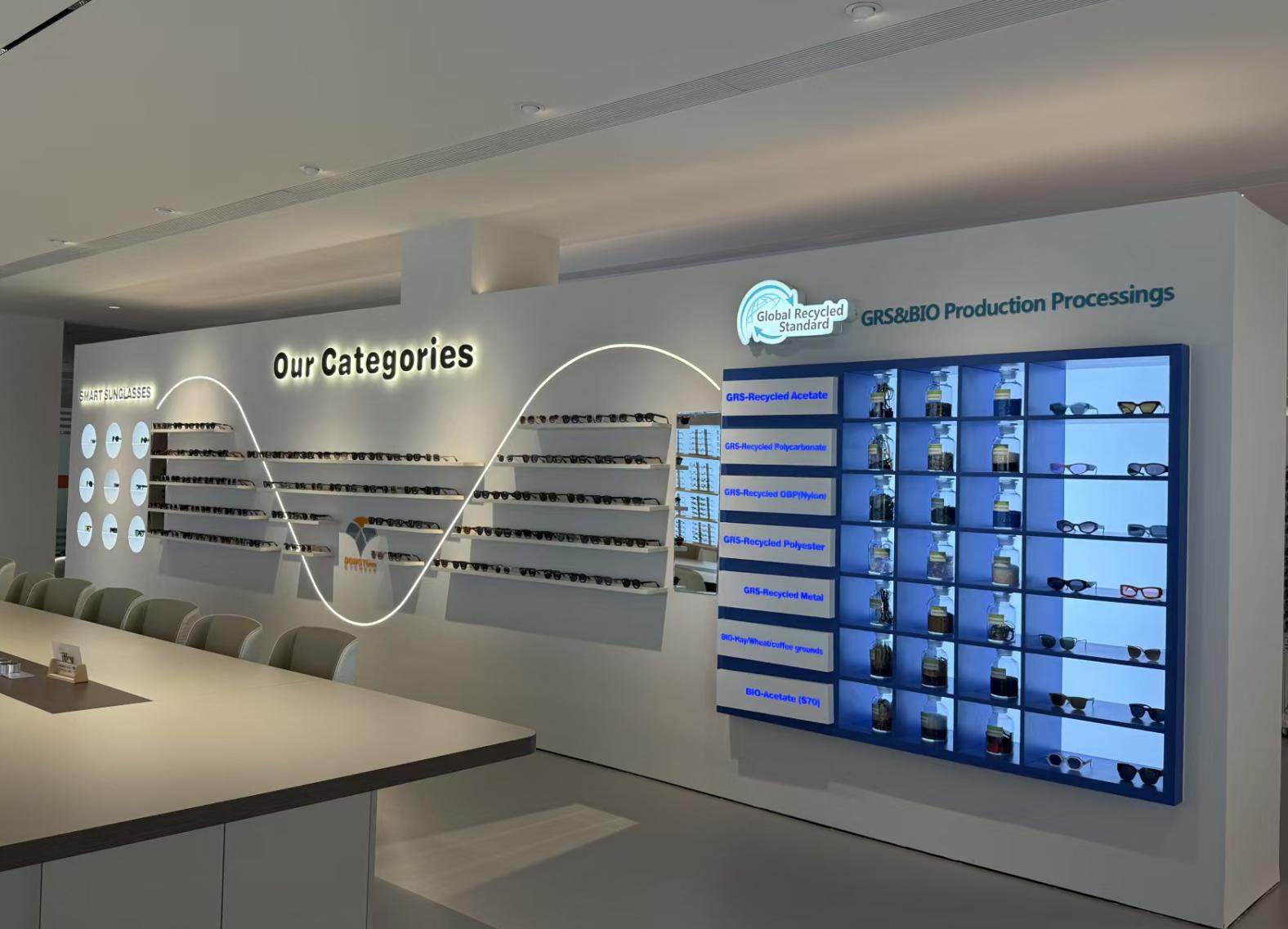
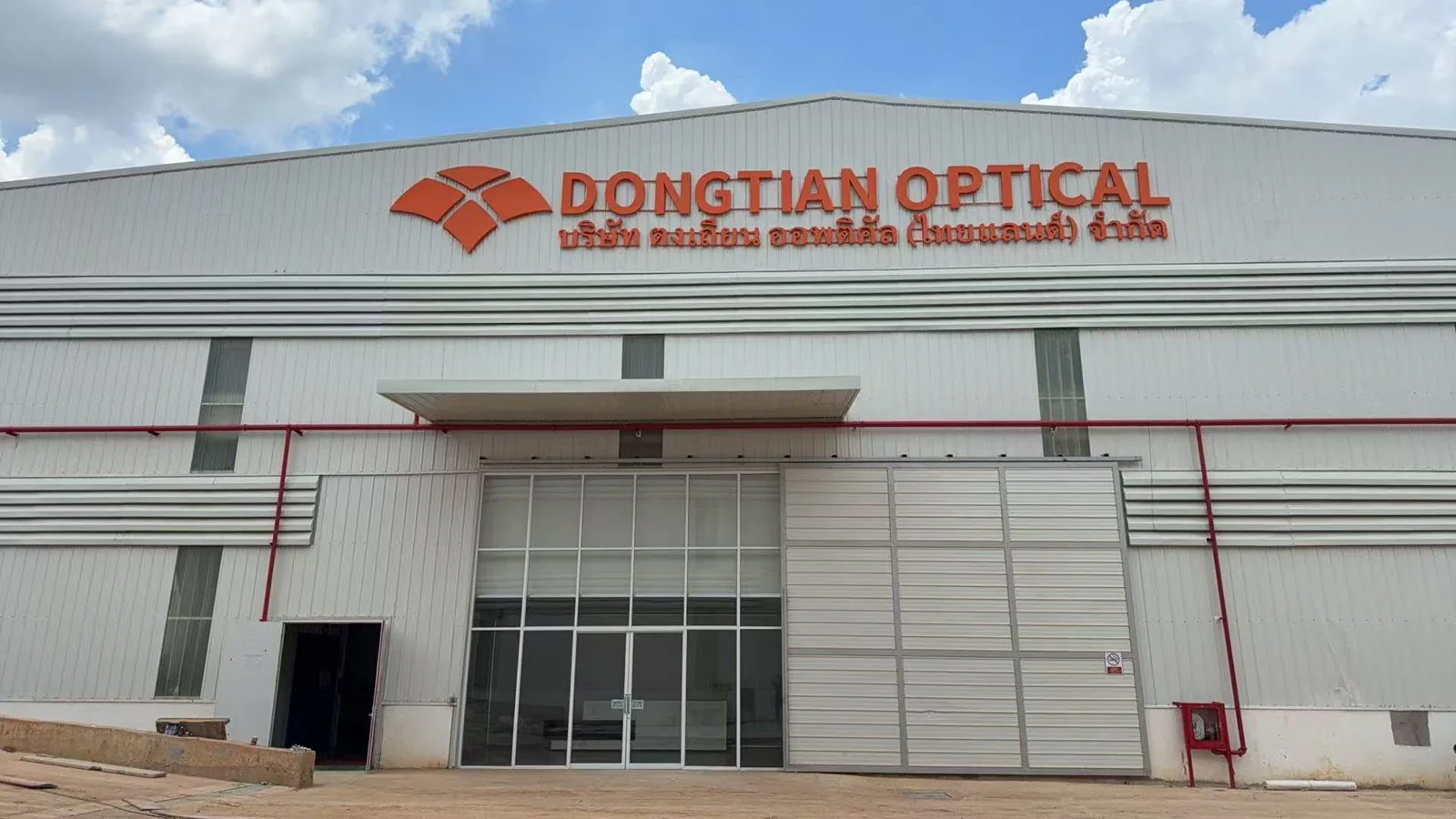
Dongtian Eyewear, a Wenzhou manufacturer founded in 1996 with 45,000 square meters of facilities across China and Thailand, 1,000+ staff, and four production lines with an in-house lens workshop, supports OEM and ODM programs on 75-90 day cycles with ready-stock dispatch in 10-15 days and FOB, EXW, and DAP terms. In 2026’s environment, the suppliers adding the most value are those treating the buyer’s calendar as seriously as the buyer’s budget.