







Reading glasses rarely make headlines. They do not ride fashion trends like acetate sun styles or carry the technical story of sports eyewear. Yet for wholesalers, distributors, and optical retailers, the category has quietly become one of the most dependable volume businesses in the industry — driven by demographics that never take a season off. Understanding why the category is growing, and what separates a profitable reading glasses program from a discount-bin one, is increasingly relevant for anyone building an eyewear portfolio.

For buyers evaluating eyewear manufacturers for reading glasses programs, the category rewards the same discipline as any other line: verified quality, sensible order structures, and a supplier who understands the market segment.
The Demographics Behind the Stability
Presbyopia is not a trend — it is biology. Nearly everyone develops it from their mid-forties onward, which means the customer base for reading glasses expands every year as populations age across Europe, North America, and Asia. Add the growth of screen-intensive work, which has pulled reading-glass usage into younger demographics through computer and office styles, and the category gains volume from two directions at once.
Unlike fashion segments, this demand is needs-based and recurring. Reading glasses are lost, broken, replaced, and bought in multiples — kept in bags, offices, cars, and beside the bed. The result is one of the highest repeat-purchase rates in eyewear, which is exactly what makes the category attractive for wholesale programs built on steady reordering rather than seasonal spikes.
What Quality Means in Reading Glasses
Because reading glasses are inexpensive at retail, some buyers assume quality requirements are lighter. The opposite is true at the manufacturing level — the category’s economics only work when defect rates are kept very low:
- Optical accuracy: Lens powers must match labeled diopters within tolerance, with prism imbalance controlled. Sloppy optics cause headaches, and headaches cause returns.
- Frame durability at low cost: Hinge quality and temple flexibility must survive daily handling despite aggressive price points — which places a premium on the factory’s molding and assembly discipline.
- Comfort fit: Lightweight materials and well-balanced fitting matter more here than almost anywhere, because users wear reading glasses for hours at close focus.
- Compliance: Reading glasses are real optical products. EU-bound goods fall under EN 14139, and US-bound goods must meet FDA requirements including impact-resistant lenses — the same paperwork discipline as any optical category.
Buyers can use our certifications guide for the document checklist per destination market, and the MOQ guide for order structure planning — reading glasses programs typically run high SKU counts across powers and styles, which makes MOQ structure especially important.
Building a Profitable Assortment
Successful reading glasses programs share a few structural features:
- Power coverage with depth: The core powers (+1.00 to +3.00) carry volume; edge powers support the assortment. Factories with in-house lens production can maintain power availability without outsourcing delays.
- Style tiers: Basic injection frames for value lines, metal and acetate styles for premium placements. The same power range serves very different retail price points.
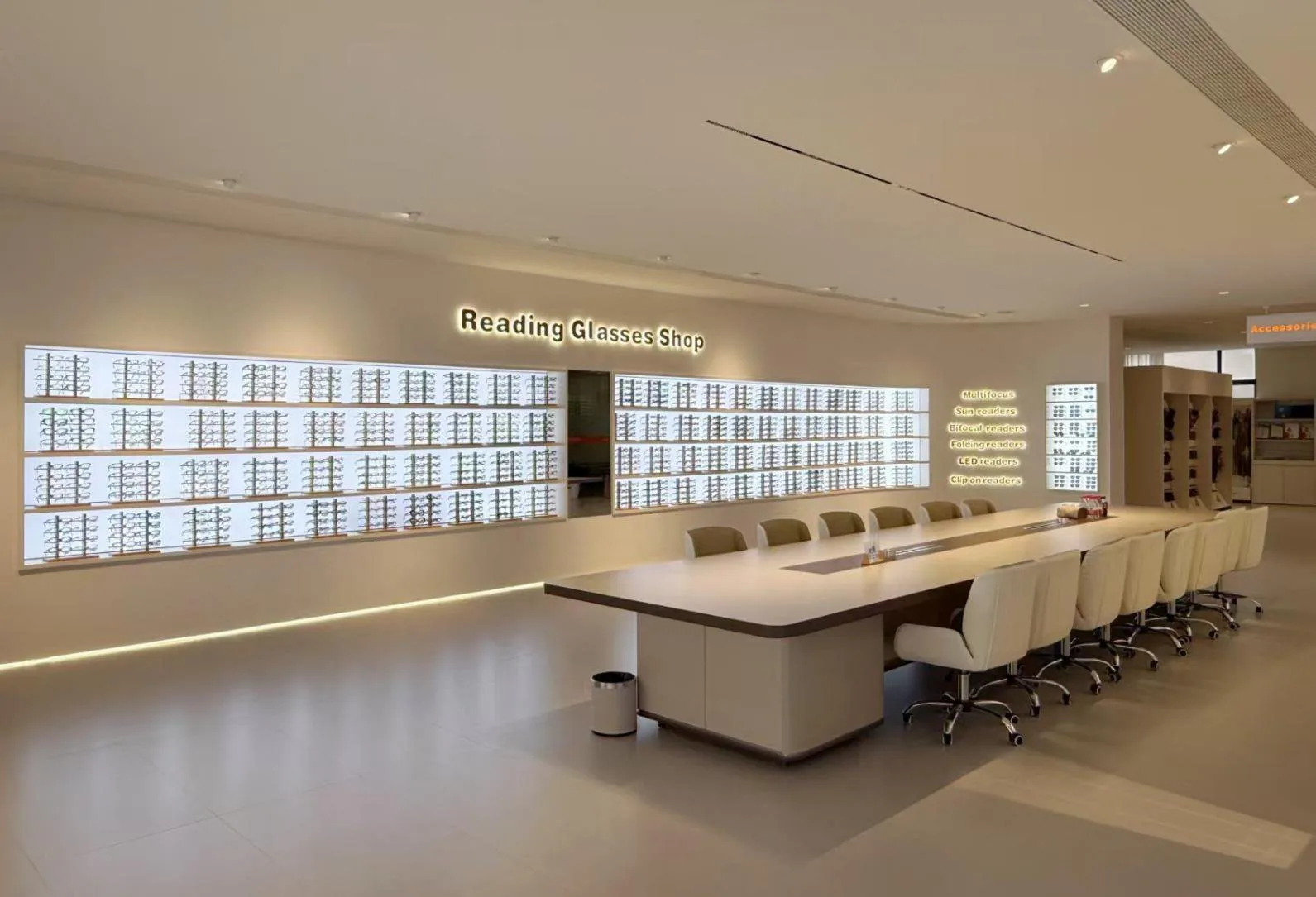
- Display-friendly formats: Reading glasses sell largely through self-service displays, so packaging and presentation formats should be planned with the retail environment in mind.
- Consistent reordering terms: Because the category lives on repeat orders, stable MOQs, reliable lead times, and stock programs matter more than one-off pricing.
The Manufacturer’s Role in the Category
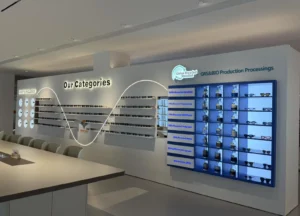
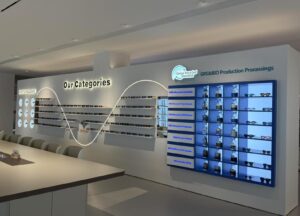
Reading glasses programs favor vertically capable suppliers: those who mold frames, produce lenses, assemble, and test under one quality system can hold optical tolerances and costs simultaneously — the combination the category depends on. Dongtian Eyewear, a Wenzhou manufacturer founded in 1996 with an in-house lens workshop producing over six million lenses monthly and production lines spanning metal, acetate, PC, and TR90, supplies reading glasses programs for distributors across 50+ countries, with ready-stock options from 100 pieces and OEM/ODM customization from 300 pieces. In a category defined by steady demand and thin margins, the winning formula is unglamorous and proven: correct optics, durable frames, reliable supply, and honest compliance documentation.